A bookmatched countertop is one where two slabs cut from the same block are opened like the pages of a book and installed side by side, creating a mirrored vein pattern across the seam. Done well, it produces some of the most dramatic stonework you'll ever see in a kitchen — a single sweeping vein that travels 4 metres across an island as if drawn by hand.
Done poorly, it looks like two slabs that don't quite line up. Here is what's involved, what it actually costs in Ottawa, and when it's worth specifying versus when it isn't.
How bookmatching works (briefly)
Quarried stone blocks are sawn into slabs about 3cm thick. Adjacent slabs from the same block are nearly identical mirror images of each other — the veining that runs through the block continues across all the slabs, just shifted slightly with each cut.
When two consecutive slabs are bookmatched, the seam between them becomes a line of symmetry. The veining flows out of one slab and into the other as a mirror image. Some patterns are so strong this effect dominates the room.
Where bookmatching shines
Three kitchen layouts get a disproportionate amount of value from bookmatching:
- Large islands (over 3 metres) — a single dramatic vein down the centre is the classic application.
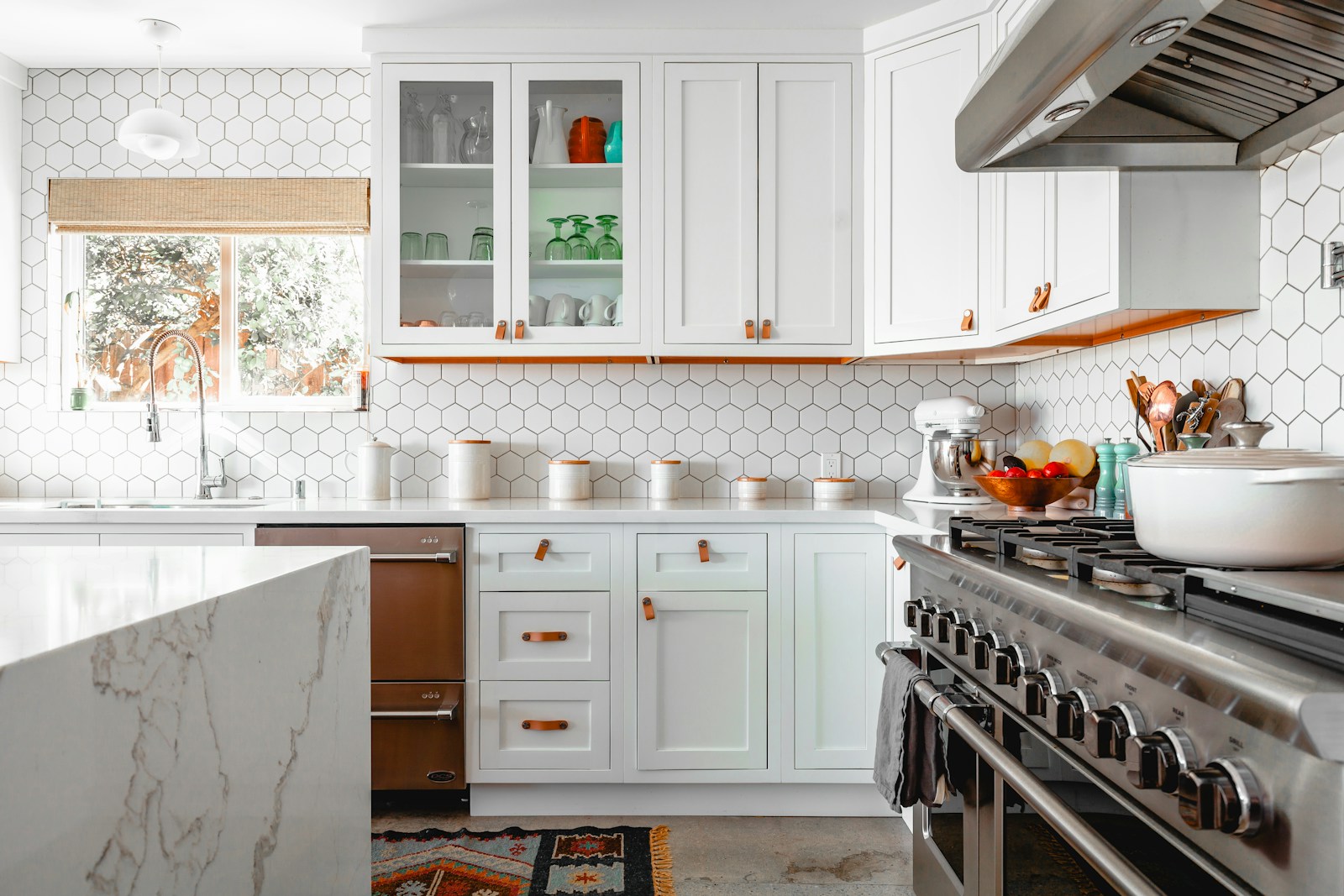
- Waterfall edges — bookmatching the horizontal top against the vertical waterfall creates the illusion that the stone is one continuous folded piece.
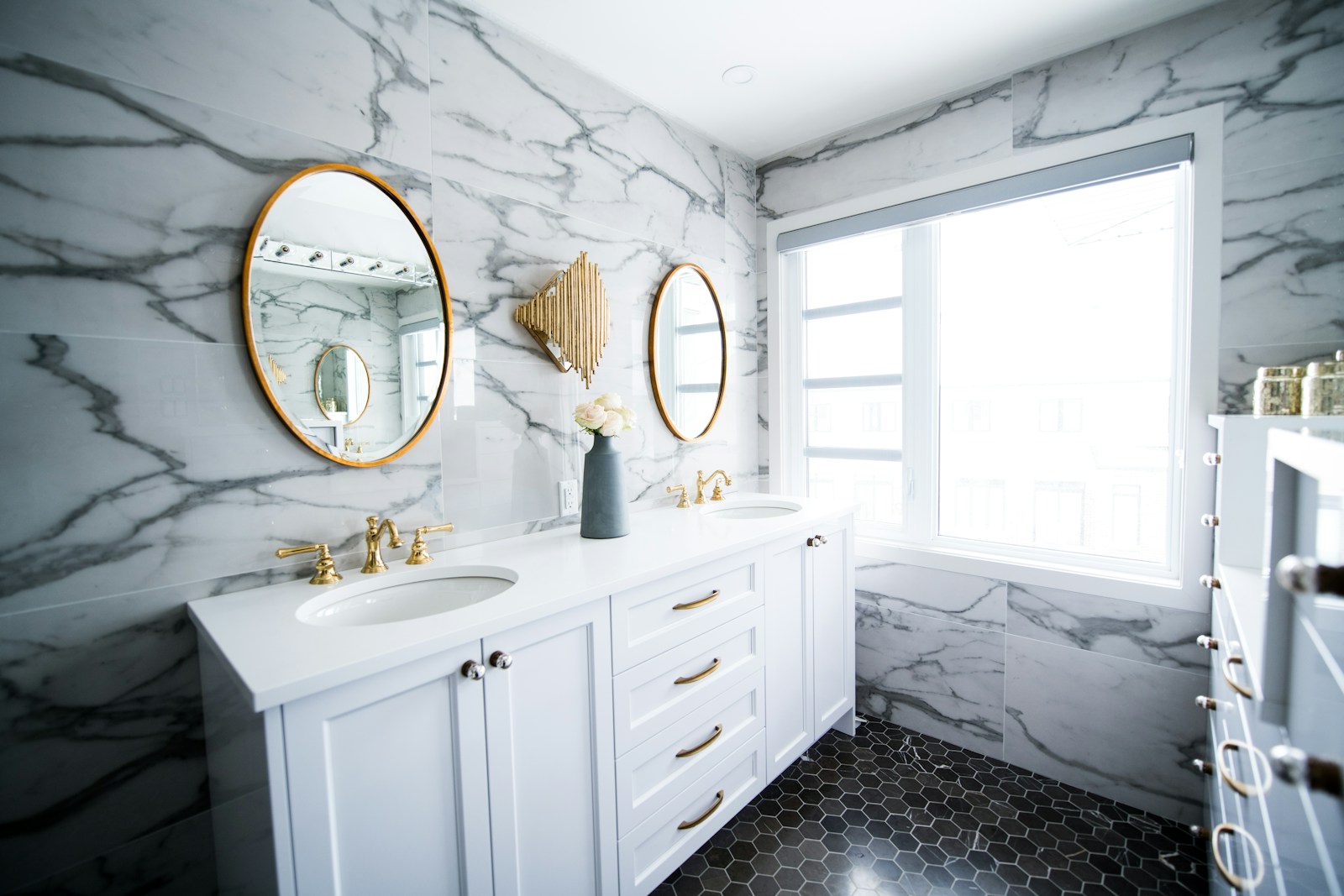
- Full-height backsplashes — a 2.4-metre vertical of bookmatched marble is more impactful than any tile arrangement.
Where it doesn't help
Bookmatching is wasted on:
- Stones with subtle veining — Carrara, most Bianco Antico, fine-grained granites. The mirror effect is barely visible.
- Kitchens with multiple short runs — galley kitchens with three sections of 1.5m don't have a single visual focal point for the bookmatch to live in.
- Quartz (the manufactured material) — the patterns are designed by the manufacturer to be continuous across multiple slabs, so bookmatching is unnecessary.
What it costs in Ottawa
A bookmatched installation costs 20–35% more than a single-slab installation of the same stone. The premium covers four things:
- Reserved slab pairs. Bookmatching requires we hold two consecutive slabs from one block for your project. They can't be sold separately.
- Slab waste. The mirror effect requires the veining to align across the seam, which often means cutting around imperfections and discarding more material per square foot.
- Layout time. We spend roughly twice as long laying out the cut pattern when bookmatching is involved.
- Seam precision. A bookmatched seam needs to be tighter than a typical seam (we aim for sub-millimetre) because any gap interrupts the mirror.
In real numbers: a 3-metre Calacatta marble island that costs $9,500 single-slab will cost roughly $11,500–$12,800 bookmatched. For dramatic-veined granites the bookmatched premium can push into the $3,000–$5,000 range above standard.
How to know if your stone bookmatches well
Ask to see the actual slab pair at the supplier — not a photo. Lay them out side by side, open like a book. If the veins line up at the seam in a way that catches your eye from across the room, the bookmatch will work. If you have to squint to see the symmetry, you'd be better off buying a different stone with a more legible pattern.
We bring clients to the supplier yard for this when we have a bookmatch candidate. It's the only way to make a confident decision. Photos don't capture it.
Is it worth it for your kitchen?
Bookmatching is one of the few "premium" countertop features that actually delivers visible value. If you have a long island, a waterfall edge, or a full-height backsplash, and you've chosen a stone with strong directional veining (Calacatta, Statuario, Calacatta Viola, Patagonia, Verde Lumix), the answer is usually yes.
If you have a U-shaped kitchen with no clear focal surface — or a stone with mild veining — spend the money elsewhere. A better edge profile, a thicker counter, or a more dramatic stone will do more for the kitchen.