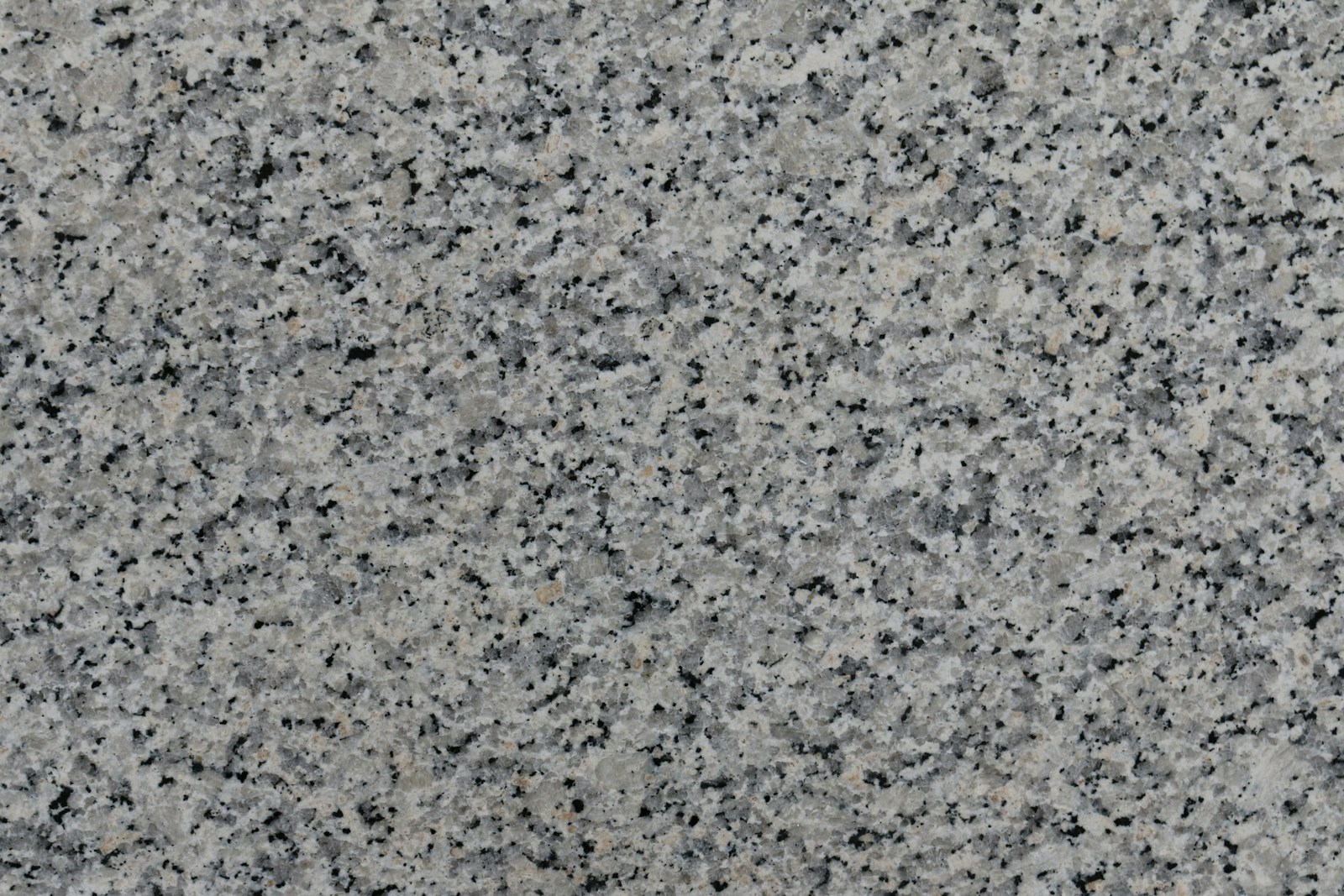
Most of the stained countertops we're called to repair in Ottawa would have been fine if they had been sealed in October. Our heating season pulls indoor humidity below 25% for months at a stretch, and dry air is brutal on the impregnating sealers that protect porous stone. A counter that felt fully sealed in September can be drinking up red wine like a paper towel by February.
The good news is that re-sealing is a fifteen-minute job you can do yourself, and doing it once before the heating kicks on saves you the headache of a permanent stain — and a re-seal in spring. Here is how Ottawa homeowners should handle granite and marble sealing through the winter, with a step-by-step you can follow tonight.
Why Ottawa winters are harder on sealers
Stone sealers (the kind used by professional fabricators — not the spray-on grocery-store products) are penetrating chemistries that bond into the stone's micro-pores. They rely on a small amount of ambient moisture to maintain elasticity. When indoor humidity drops below 30%, the sealer film begins to micro-crack. The cracks are invisible to the eye but allow water-based stains (coffee, wine, broth) to migrate into the stone and discolour it.
In Toronto or Vancouver, where indoor winter humidity rarely falls below 35–40%, the same sealer lasts a full year between treatments. In Ottawa, it often won't.
Which stones need sealing (and which don't)
- Marble — yes. Every six months in Ottawa. The most porous of the three.
- Granite — yes. Once a year, before heating season starts.
- Quartz (the manufactured material — Caesarstone, Cambria, Silestone) — no. It's non-porous by design.
The water test (how to know you need to re-seal)
Sprinkle a teaspoon of water on the part of your countertop that sees the most use — usually beside the sink, or where you set down a cutting board. Wait fifteen minutes, then wipe it off and look at the stone underneath.
- The water beads up and the stone underneath is dry — sealer is fine. Check again in three months.
- The water spreads but the stone is only slightly darker — sealer is wearing thin. Re-seal within the month.
- The water soaks in and the stone is visibly darker — sealer is gone. Re-seal this weekend.
Step-by-step: sealing a granite or marble countertop
You'll need: a quality impregnating sealer (we recommend Stone Pro or Dry-Treat Stain-Proof for Ottawa kitchens — both available at local stone supply shops), a clean lint-free cloth, and roughly fifteen minutes of uninterrupted counter time.
- Clear the counter completely. Knife blocks, fruit bowls, everything. The sealer can't bond where it can't reach.
- Clean with a pH-neutral stone cleaner (not vinegar, not bleach — both damage the stone). Let it dry fully — at least one hour.
- Pour a small puddle of sealer onto a small section (about a square metre at a time). Spread it evenly with a clean cloth, working in overlapping circles.
- Let it sit for 10 minutes. The sealer should stay wet on the surface — if it absorbs quickly in spots, apply a second coat to those areas.
- Wipe off all excess with a dry cloth. Buff in circles until the surface looks dry and even. Sealer left on the surface will leave a hazy film.
- Wait six hours before using the counter. No water, no spills, no setting things down. Overnight is safer.
What if you've already stained it?
If a stain has already set in, sealing won't remove it — it'll just trap it. Most stains can be drawn back out with a poultice (a paste applied for 24–48 hours that absorbs the stain back upward), but the specifics depend on what caused the stain. Send us a photo and we'll tell you whether it's a poultice job or whether you should leave it alone — some "stains" on marble are actually etches, which sit below the surface and need re-polishing.
When to call us instead
Re-sealing is the easiest stone care task — but if your counter has chips, a hairline crack, or visible dullness along the edge, those need professional repair. Send a photo and we'll tell you whether it's a service call or something a polishing pass can fix on-site.